Collision damage rarely stays within a single label. One impact can affect a bumper cover, the panel behind it, paint, glass, wheel alignment, cooling parts, or structural mounting points. Woodley Collision coordinates eight collision repair services at its one Van Nuys shop so the repair plan can address connected damage in a sensible order.
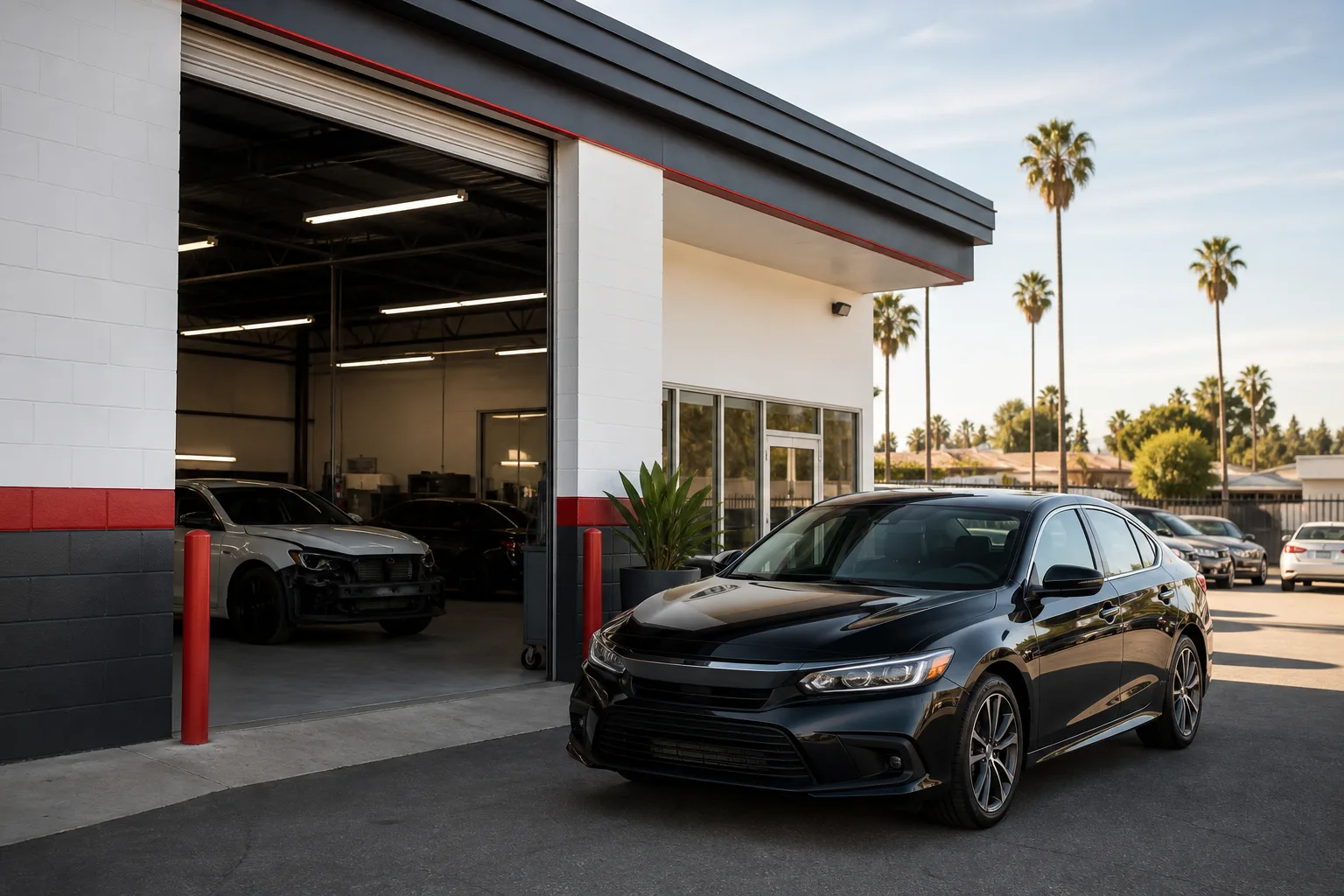
The facility is at 7243 Woodley Avenue in Van Nuys and serves drivers from the San Fernando Valley and nearby Los Angeles communities. This guide explains what each service covers, where services can overlap, and why an inspection is necessary before deciding what a vehicle needs.
Eight collision repair services in Van Nuys
Drivers can browse the complete services overview or use the list below to understand the role of each specialty:
- Collision Repair
- Auto Body & Paint
- Bumper Repair
- Dent Repair
- Scratch Repair
- Frame Straightening
- Glass Replacement
- Collision-related Mechanical Repair
1. Collision Repair
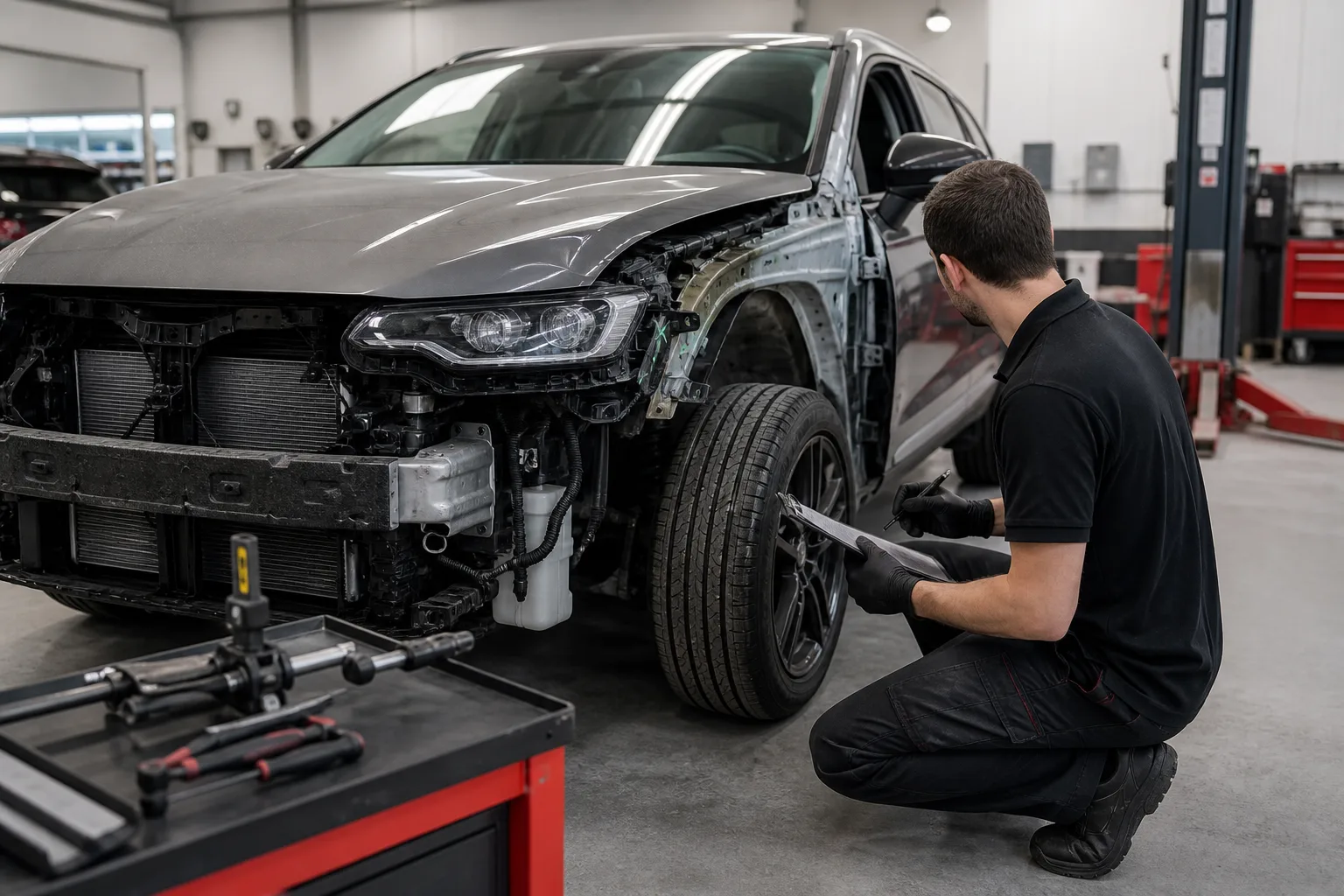
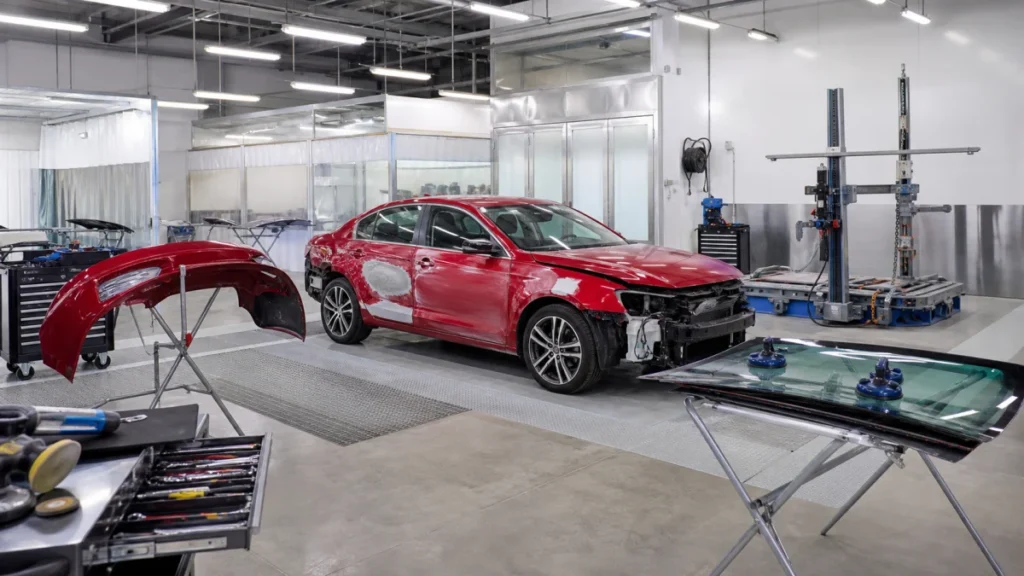
Collision repair is the coordinating service for accident damage. It begins with documentation and inspection, then brings together the operations needed to restore affected areas. Depending on the impact, that can include disassembly, parts replacement, panel repair, structural measurement, refinishing, glass work, and checks of collision-related mechanical systems.
An initial estimate records what can be identified at that stage. Damage concealed by bumpers, liners, trim, or panels may require a supplement after access is available. The plan should change because of documented findings, not guesswork.
2. Auto Body & Paint
Auto body and paint repair restores exterior panels and finish after impact. Body work establishes the correct shape, alignment, edge condition, and surface. Refinishing then uses preparation, primer or sealer where required, color matching, paint application, curing, and finishing steps appropriate to the repair.
Paint codes are a starting formula, but vehicles can vary because of age, sun exposure, factory variation, and prior refinishing. Evaluating the color on the actual vehicle helps determine how to achieve a coherent appearance across the repaired area and its neighbors.
3. Bumper Repair
A bumper cover may show dents, scrapes, cracks, punctures, torn mounting points, or misalignment. Bumper repair considers both the visible cover and components behind it, including brackets, absorbers, reinforcements, wiring, lamps, and sensor mounts where present.
Some covers can be repaired; others require replacement because of material, damage location, lost attachment strength, or the condition of connected parts. A visual phone photo cannot always distinguish a cosmetic scuff from damage that extends beneath the cover.
4. Dent Repair
Dent repair addresses door dings, creases, shallow impacts, and larger panel deformation. The method depends on access behind the panel, metal stretch, the location of body lines and edges, and whether the paint remains intact.
Paintless dent repair may suit certain dents with accessible, undamaged finishes. Conventional body repair may be more appropriate for sharp creases, stretched metal, damaged paint, or dents near reinforced edges. Inspection determines which approach is realistic.
5. Scratch Repair
Not every mark reaches the same layer. Paint transfer may sit on top of the finish, a light scratch may affect clear coat, and a deeper cut may reach color, primer, plastic, or metal. Scratch repair starts by identifying that depth.
Polishing can improve some surface conditions, but it cannot replace missing paint. Deeper damage may require sanding, preparation, color application, and clear coat. Bare metal should be evaluated promptly because exposure can allow corrosion to begin.
6. Frame Straightening
Frame straightening applies when measurements show collision-related structural movement. Warning signs can include uneven gaps, doors or hatches that no longer close normally, a wheel sitting out of position, or visible deformation near structural attachment points. These signs justify inspection but do not prove the diagnosis by themselves.
Structural repair uses measurements and controlled correction based on the vehicle and affected area. It must be sequenced before final exterior alignment and refinishing. Cosmetic work alone cannot correct a displaced underlying structure.
7. Glass Replacement
Windshields, door glass, quarter glass, and back glass contribute to visibility, weather sealing, and occupant protection. Glass replacement may be needed for cracks, shattered panels, edge damage, or collision conditions that compromise mounting and sealing.
The surrounding opening also needs attention. Bent pinch welds, damaged moldings, broken regulators, and disturbed trim can affect how replacement glass fits and functions. Vehicles with cameras or other equipment near the windshield may have additional procedures that must be identified for the specific vehicle.
8. Collision-related Mechanical Repair
Impact force can reach the suspension, steering, cooling system, air conditioning components, lamps, wiring, and other mechanical parts. Collision-related mechanical repair addresses those accident-connected conditions as part of the overall plan.
This service is not a claim that all general maintenance belongs in a collision estimate. The condition should be tied to the loss and documented. Symptoms such as fluid leaks, changed steering, vibration, overheating, warning lights, or a wheel pushed from its normal position warrant prompt evaluation.
How the services work together
A front-corner impact offers a useful example. The bumper cover may need repair, a bracket and lamp may need replacement, a fender may require body and paint work, and a wheel-position change may call for suspension inspection. If measurements find structural movement, correction occurs before final panel fit. Each operation has its own role, but all belong to one coordinated sequence.
Service selection checklist
- Surface scuff only: assess scratch depth and whether paint transfer can be removed.
- Dented intact panel: evaluate paint condition, access, creases, and metal stretch.
- Cracked or loose bumper: inspect the cover, mounts, reinforcement, wiring, and nearby systems.
- Uneven gaps or wheel position: measure structural and suspension-related areas.
- Broken glass: inspect the opening, trim, regulator, and connected equipment.
- Leaks or warning lights: stop driving when unsafe and inspect collision-related mechanical components.
From inspection to final review
The workflow normally moves from documentation and inspection to repair planning, authorization, disassembly, repair, refinishing, reassembly, and final checks. Hidden damage or parts delays can affect timing. If an insurance claim is involved, photos, measurements, part information, and supplements may support review.
At completion, the applicable checks can include panel fit, exterior appearance, lamps, closures, trim, glass operation, warning indicators, and road or operational checks. The exact review depends on what was repaired. Owners should ask for an explanation of the final work at pickup.
Before authorization, ask which conditions are confirmed and which areas still need access. During the repair, keep a reliable contact method available for supplements or parts decisions. At delivery, compare the final paperwork with the work explained by the team and raise questions before leaving. Keep copies for your vehicle records.
Photograph the vehicle before drop-off and remove personal belongings. Share any pre-existing damage or previous repair history that could affect evaluation. Accurate intake information helps distinguish the current collision scope from unrelated wear, maintenance, or older cosmetic conditions.
Frequently asked questions
Can one appointment cover several types of damage?
Yes. Begin with the overall collision rather than trying to choose one service yourself. Inspection can identify which structural, body, paint, glass, bumper, dent, scratch, or mechanical operations belong in the plan.
Does every collision require frame straightening?
No. Structural correction is appropriate when inspection and measurement identify movement or damage. A cosmetic dent alone does not automatically mean the frame is affected.
Can a scratched bumper always be repaired?
No. Repairability depends on scratch depth, cracks, deformation, torn mounts, material, and the condition of underlying components. Replacement may be the better documented option in some cases.
Are mechanical repairs limited to insurance claims?
No, but the service described here is specifically for mechanical damage connected to a collision. Insurance coverage is a separate decision governed by the policy and carrier review.
Request an evaluation in Van Nuys
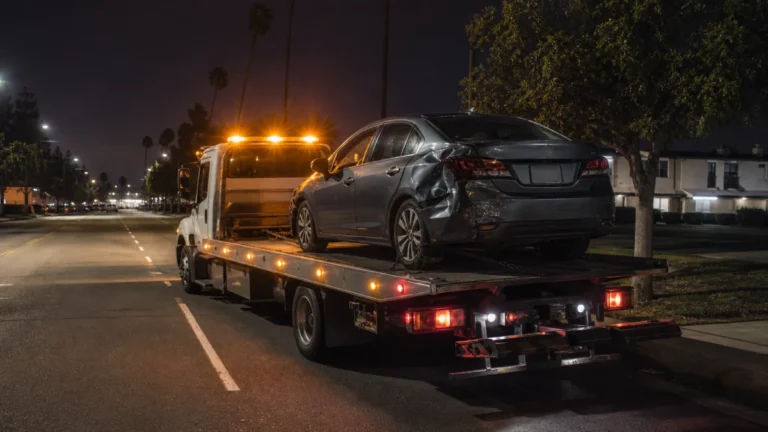
Contact Woodley Collision at (747) 745-5353 or info@woodleycollision.com to discuss your vehicle. The shop is open Monday–Friday, 9:00 AM–7:00 PM. Estimate requests are available anytime, and 24/7 free towing is available for after-hours accidents.