Auto body paint matching is one of the details people notice immediately after collision repair. A panel can be straight, the gaps can be even, and the bumper can fit correctly, but if the color looks off in sunlight, the repair will not feel complete. That is why paint matching is a process, not a single paint code pulled from a database.
Van Nuys drivers see every kind of light condition: bright Valley sun, shaded parking structures, evening traffic, and reflective storefront glass. A finish that looks acceptable under one light can look different under another. Professional refinishing accounts for color formula, vehicle age, panel shape, application technique, and the way adjacent panels carry the eye.
Paint Code Is the Starting Point
Every vehicle has a paint code that points the refinish team toward the correct color family. The code may be found on a door jamb label, under the hood, in a trunk area, or through manufacturer information depending on the vehicle. It tells the technician where to begin, but it does not guarantee a perfect match by itself.
Factory paint can vary by plant, production date, supplier batch, and application conditions. Over time, Southern California sun, washing habits, previous repairs, oxidation, and clear coat condition can also change how the paint looks. That is why a paint formula has to be compared against the actual car, not just the original spec.
Why the Same Color Can Look Different
Vehicle color is affected by more than pigment. Metallic flakes, pearl layers, tinted clear coats, panel curves, surface texture, and viewing angle all change what your eye sees. A silver bumper, a red quarter panel, or a pearl white door can look different from one angle to the next even when the formula is close.
Plastic bumper covers can also reflect light differently than metal fenders or quarter panels. This is one reason bumper color may appear slightly different from adjacent panels even from the factory. A good auto body paint repair considers material differences and the way the final finish will be viewed on the vehicle.
The Paint Matching Process
Paint matching usually includes several steps. The exact process depends on the vehicle, color, damage, and repair plan, but the goal is the same: create a finish that looks natural on the repaired vehicle.
- Identify the paint code and color variant.
- Inspect the vehicle under appropriate lighting.
- Review adjacent panels for age, fade, and previous repair signs.
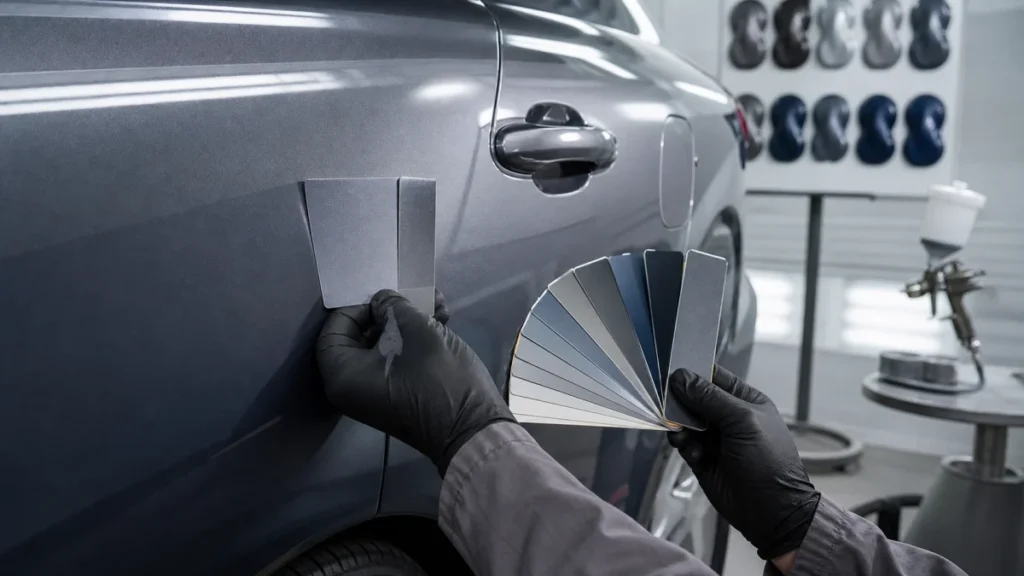
- Mix a formula and create a spray-out sample when needed.
- Compare the sample to the vehicle from multiple angles.
- Adjust the formula or application technique as needed.
- Prepare the repaired panel with proper primer and surface work.
- Apply base coat, clear coat, and blending when the repair plan calls for it.
- Inspect the finish after curing, polishing, and reassembly.
Spray-Out Cards and Test Panels
A spray-out card is a sample sprayed with the proposed paint formula. It lets the refinishing team compare the color and effect before applying paint to the vehicle. This is especially helpful for metallics, pearls, tri-coats, and colors with multiple variants.
The card is not just checked straight on. It may be tilted, moved into different light, and compared against nearby panels. The technician is looking for value, hue, metallic orientation, flop, and overall appearance. A small adjustment can make a meaningful difference in how the repair blends into the rest of the vehicle.
When Blending Is Needed
Blending means extending color into an adjacent panel so the transition is not visible at a hard panel edge. It is common when the repaired area sits near the edge of a door, fender, quarter panel, hood, or liftgate. Blending does not mean the whole vehicle is being repainted. It means the repair area is being finished in a way that helps the color transition naturally.
Not every repair needs blending. A small lower bumper repair may be handled differently than a metallic door repair near a quarter panel. The decision depends on color difficulty, damage location, panel shape, and how the match looks during refinish planning.
Paint Matching Decision Table
| Repair situation | Paint concern | Common refinish consideration |
|---|---|---|
| Door dent near rear edge | Color transition at quarter panel | Blend strategy may be reviewed |
| Bumper scuff | Plastic and metal reflect differently | Formula check and bumper refinishing |
| Pearl white collision repair | Multi-layer color depth | Spray-out and controlled application |
| Scratch through clear coat | Repair area may show edge mapping | Surface prep, primer, base, and clear |
| Previous repaint nearby | Existing color may not match factory code | Match to current vehicle condition |
Body Work Comes Before Paint
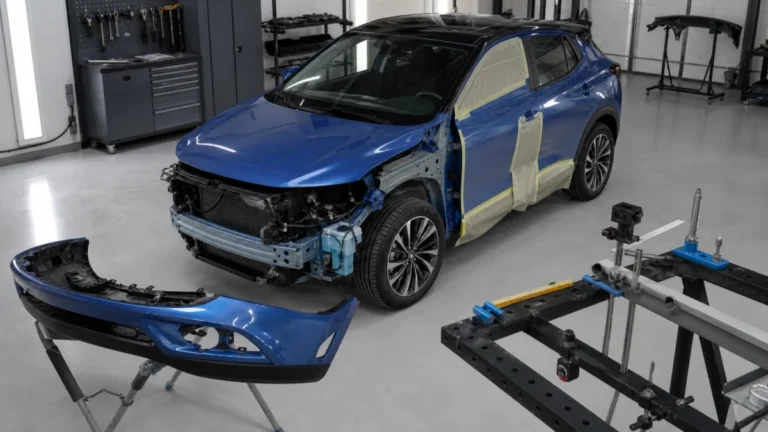
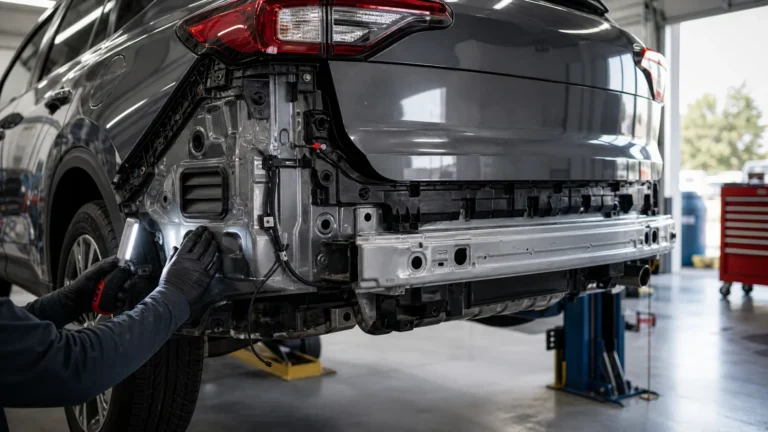
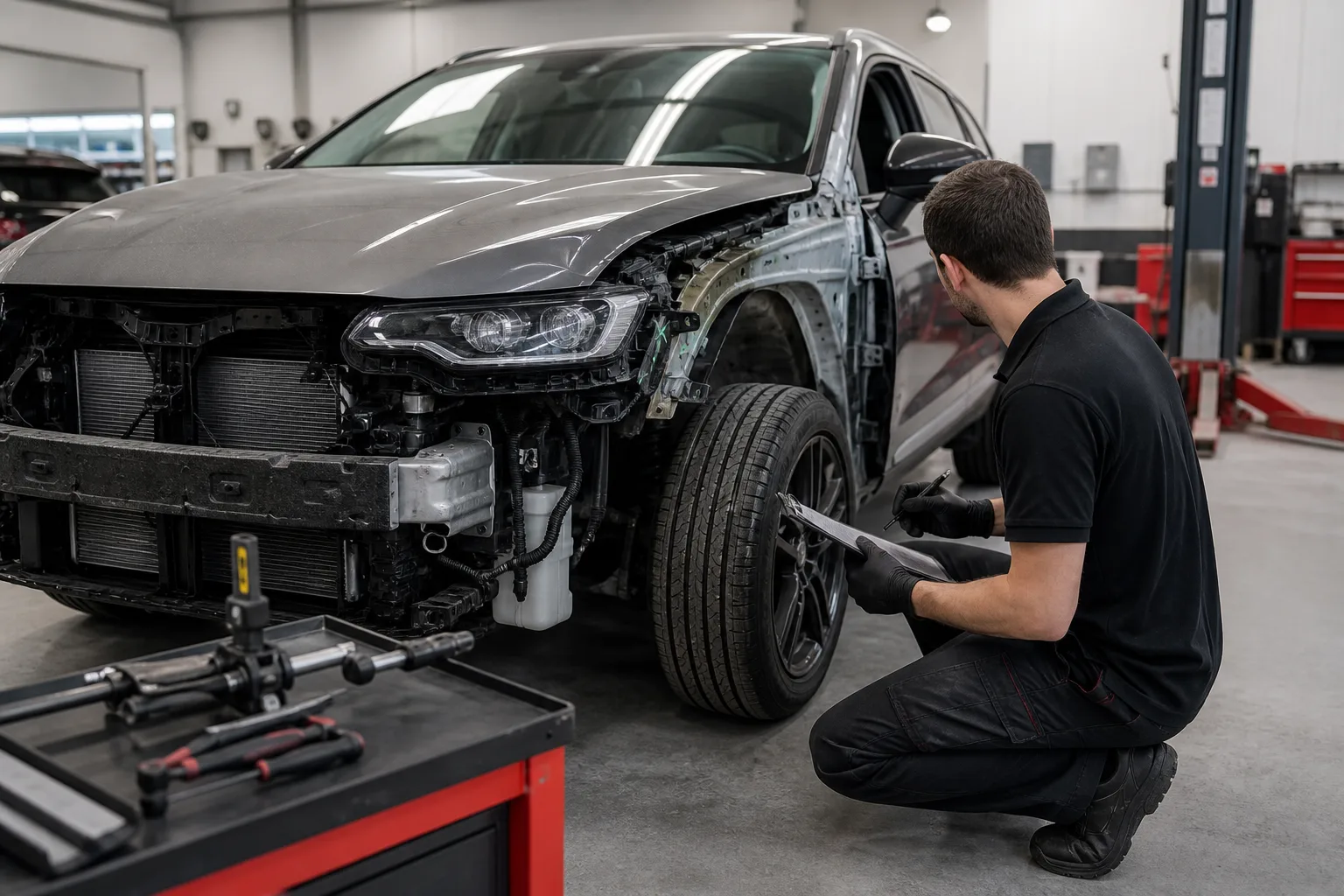
Paint cannot hide poor body repair. If a dent is still wavy, a panel edge is misaligned, or a bumper does not sit correctly, new paint will make those problems more visible. Proper collision repair starts with structure, fit, and surface preparation before refinishing begins.
Depending on the damage, the repair plan may include dent repair, scratch repair, bumper repair, panel replacement, or frame straightening. Paint matching is the final visual step, but it depends on the earlier repair work being done correctly.
Mid-Article CTA
If your vehicle needs paint repair after a collision in Van Nuys or the San Fernando Valley, Woodley Collision can review the damage and explain the refinish plan. Call 747-745-5353 or request an estimate with clear photos of the damaged panels.
Why Surface Texture and Clear Coat Matter
Color is only one part of the match. The repaired panel also needs a clear coat finish that fits the rest of the vehicle. If the texture is too flat, too heavy, too glossy, or too dull compared with adjacent panels, the repair can stand out even when the color is close. Final polishing should improve the finish without creating a different look from the rest of the car.
Good refinishing also protects the repair. Primer, base coat, and clear coat each have a job. Rushing surface preparation or film build can lead to edge mapping, peeling, dullness, or visible repair lines later. That is why the refinish plan should be tied to proper body work, not treated as a quick color spray.
What to Expect During Final Inspection
After the paint cures and the vehicle is reassembled, the finish should be reviewed for color, gloss, texture, and cleanliness. The repaired area should be checked against nearby panels, and lamps, trim, moldings, and hardware should be inspected after reassembly. A final wash and inspection help reveal details that may not be visible during earlier stages.
You can view examples of finished repairs in our gallery. Every vehicle is different, but seeing completed work can help you understand the level of finish expected from professional auto body repair.
FAQs
Can paint be matched exactly after collision repair?
The goal is a repair that looks consistent on the vehicle under normal viewing conditions. Because age, material, light, and previous repairs can affect color, an honest shop should explain the matching and blending process rather than promising a simple code-only match.
Why does my bumper look slightly different from the metal panels?
Plastic and metal can reflect light differently, and bumpers may have slight color variation even from the factory. Professional refinishing works to make the bumper look natural with the rest of the car.
Do all paint repairs require blending?
No. Blending depends on color, repair location, panel shape, and how close the match is at the panel edge. Some isolated repairs may not need blending, while others benefit from it.
How should I photograph paint damage for an estimate?
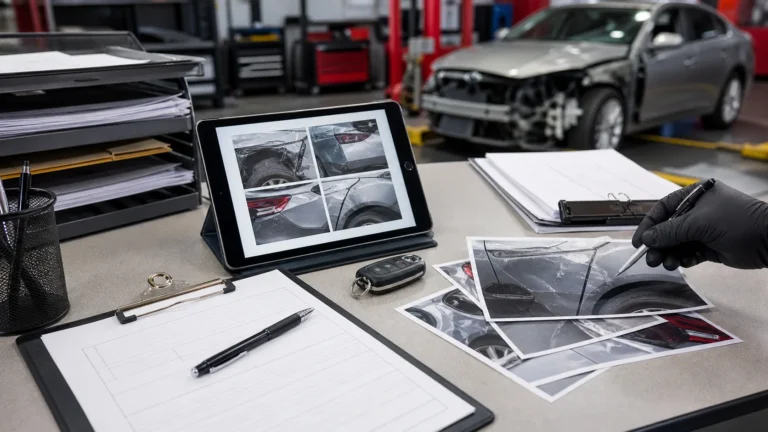
Take photos in natural light when possible. Include wide shots, close-ups, and angled views that show scratches, dents, and nearby panels. Avoid harsh glare if you can, and mention whether the paint is cracked, peeling, or down to primer or metal.
Final CTA
For auto body paint matching after collision repair, contact Woodley Collision at 7243 Woodley Avenue, Van Nuys, CA 91406. We are open Monday to Friday, 9:00 AM to 7:00 PM (closed weekends). Consultations and estimates are available 24/7. Online estimate requests can be submitted anytime. Woodley Collision will follow up as soon as possible. Start with an online estimate, call 747-745-5353, or send questions through our contact page.