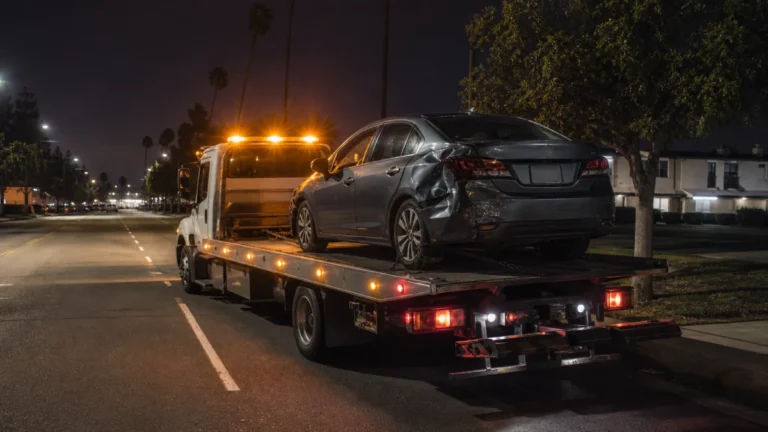
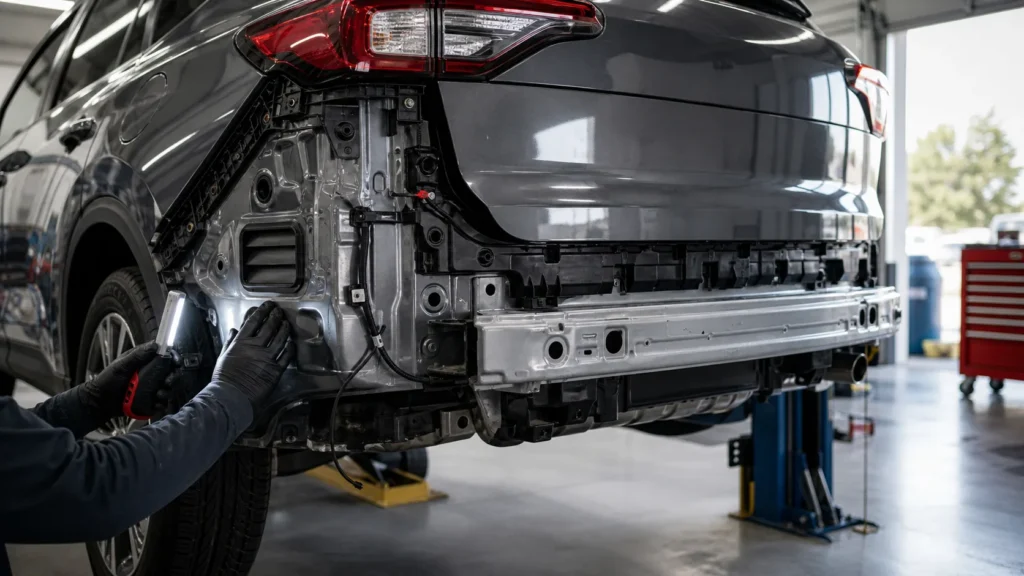
A rear-end collision can look simple from the outside. The bumper cover may only show a scuff, a small crack, or a slight gap near the tail lamp. Behind that cover, though, the impact may have affected brackets, absorbers, reinforcement parts, wiring, parking sensors, the rear body panel, or the trunk floor. That is why a rear-end collision repair plan should start with inspection rather than appearance.
Woodley Collision helps drivers from Van Nuys, Sherman Oaks, Encino, and Lake Balboa understand what happened after an impact and what needs to be repaired. If the vehicle was hit from behind, use this guide to decide what to document, what symptoms matter, and when to schedule a professional collision repair estimate.

Why Rear-End Damage Is Often Hidden
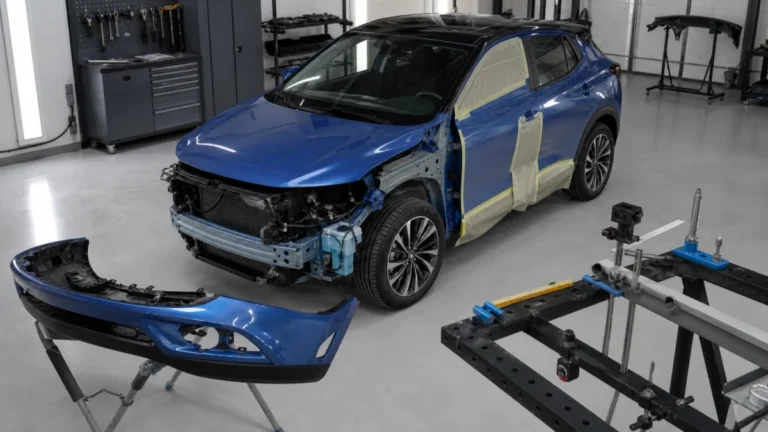
Modern bumper systems are layered. The painted bumper cover is only the visible outer surface. Under it, the vehicle may have impact absorbers, reinforcement bars, retainers, brackets, wiring harnesses, lamps, blind spot modules, parking sensors, exhaust clearances, and body panels that help manage collision energy. A bumper cover can flex during impact and partially return to shape while the parts underneath remain cracked, bent, or misaligned.
This is similar to the concerns discussed in our guide to hidden collision damage. The most important point is that cosmetic appearance does not tell the whole story. If the trunk no longer closes cleanly, warning lights appear, the rear bumper feels loose, or the exhaust sounds different, the repair plan should go deeper.
Rear-End Collision Checklist
- Photograph the rear bumper from wide angles and close-up views.
- Check whether the trunk, liftgate, or tailgate opens and latches normally.
- Look for uneven gaps around tail lamps, quarter panels, and the bumper cover.
- Note cracks, buckling, loose bumper corners, broken tabs, or missing clips.
- Check reverse lights, parking sensors, blind spot warnings, and backup camera behavior.
- Listen for new exhaust noise or rattles after the accident.
- Watch for water intrusion in the trunk after rain or washing.
- Request a professional inspection before assuming the damage is only paint.
Visible Clues and What They Can Indicate
| What you notice | Possible concern | Service to discuss |
|---|---|---|
| Bumper cover popped out near wheel opening | Broken retainers, tabs, or brackets | Bumper repair |
| Trunk or hatch does not close evenly | Rear body panel, latch, or opening misalignment | Collision repair |
| Backup camera or parking sensor warning | Damaged sensor, wiring, bracket, or calibration concern | Collision-related mechanical repair |
| Paint cracks around bumper corner | Flex damage or deeper cover damage | Auto body and paint |
| Rear tires rub or vehicle feels different | Possible suspension or structural issue | Frame straightening review |
When Insurance Is Involved
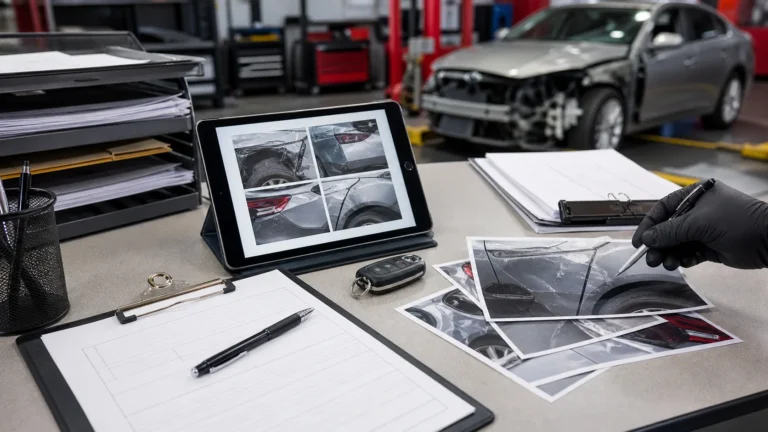
If you are opening an insurance claim, save the claim number, photos, tow receipts, and messages from the insurer. Initial estimates can miss hidden damage because the bumper cover blocks the view. After teardown, a shop may need to document additional damage and communicate it through the claim process. Our article on using insurance for collision repair explains how documentation can support a clearer repair file.
Coverage decisions are made by the insurance company according to the policy, but accurate repair documentation matters. A proper inspection helps separate visible cosmetic work from hidden structural, sensor, lamp, or wiring concerns.
Local Repair Guidance
Rear-end collisions are common on the 405, Victory Boulevard, Vanowen Street, Sherman Way, and busy San Fernando Valley corridors. Drivers from Reseda, Tarzana, and Woodland Hills often need a repair plan that covers the bumper, paint, lights, sensors, and trunk fit together.
What to Bring for a Rear-End Estimate
- Photos from the scene and both vehicles if available.
- Insurance claim information if a claim has been opened.
- Notes about warning lights, sensor alerts, water leaks, or noises.
- Any insurer estimate or tow paperwork.
- The vehicle itself if it is safe and legal to drive.
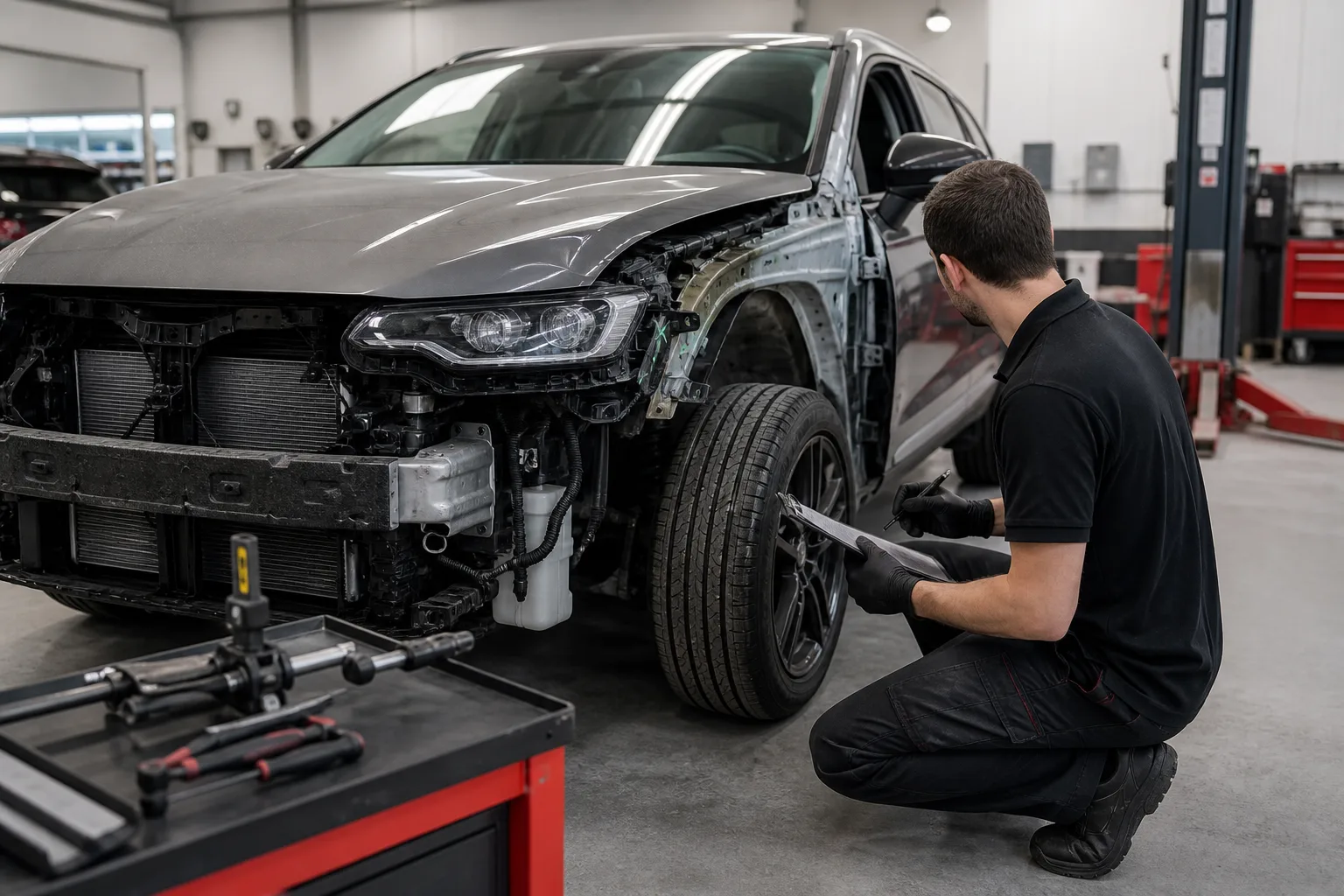
Woodley Collision can inspect the visible and related damage, explain likely repair steps, and help you decide whether the bumper can be repaired or needs replacement. Call 747-745-5353, visit our contact page, or request a free estimate online.