Using insurance for collision repair can feel confusing, especially when you are also dealing with a damaged vehicle, a claim number, transportation needs, and repair decisions. Drivers in Van Nuys and the San Fernando Valley often ask the same questions: Do I need an estimate first? What if hidden damage is found? Can the repair plan change? What does the shop handle, and what does the insurer decide?
This guide explains the repair side of an insurance collision repair claim. It is not legal advice and does not interpret your policy. Insurance coverage, deductibles, rental coverage, and payment decisions are controlled by your insurer and your specific policy. The repair shop’s role is to inspect damage, document repair needs, communicate repair information, and restore the vehicle according to the approved repair plan.
Start With the Claim Basics
If you plan to use insurance, contact your insurer and follow the instructions for opening a claim. You may receive a claim number, adjuster contact, photo estimate instructions, or an initial estimate. Keep that information organized. It will help the repair shop connect the vehicle, claim, and documentation.
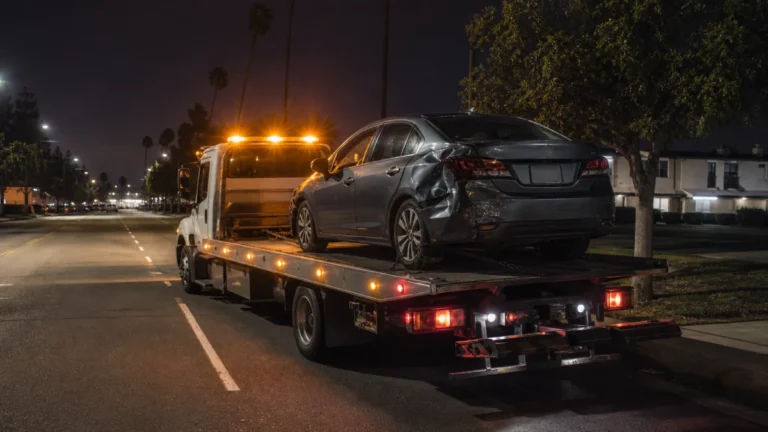
Before you focus on paperwork, make sure the vehicle is safe. If the accident just happened and anyone is injured, call 911. If the vehicle has leaking fluids, wheel damage, broken lights, loose parts, cracked glass, or steering problems, do not assume it is safe to keep driving. Arrange towing or ask for guidance.
What an Insurance Estimate Is
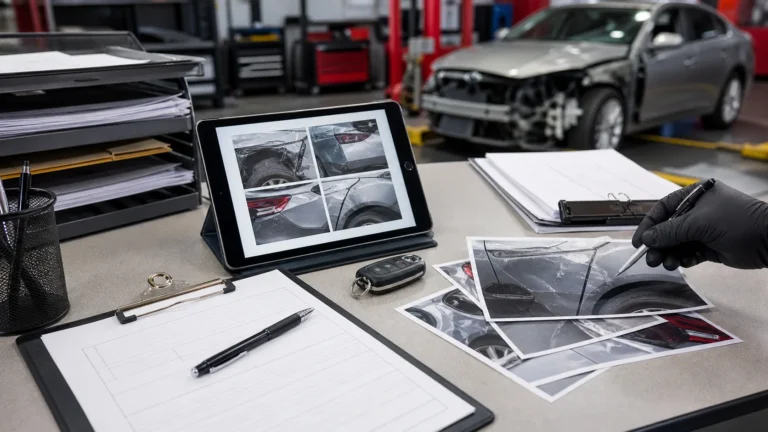
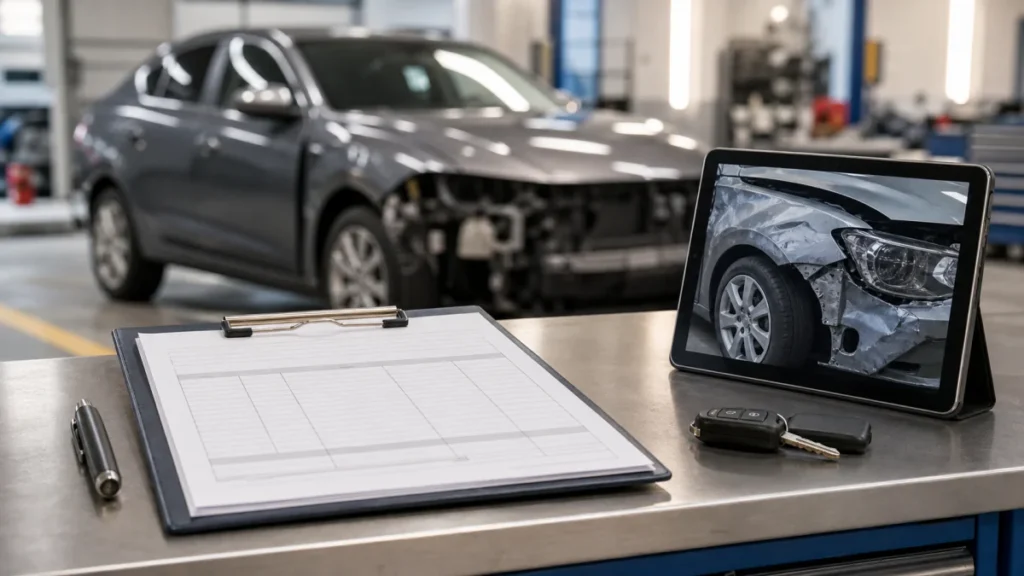
An insurance estimate is a starting document that lists visible damage and expected repair operations based on the information available at that time. Sometimes it is written from photos. Sometimes it is written after an in-person inspection. Either way, it may not include hidden damage that becomes visible only after disassembly.
A shop estimate is also based on inspection findings. The two estimates may not match line for line at the beginning. That does not automatically mean something is wrong. It means the repair details need to be reviewed, documented, and reconciled through the claim process when insurance is involved.
Common Insurance Collision Repair Terms
| Term | What it usually means | Why it matters |
|---|---|---|
| Claim number | The insurer’s file number for the loss | Connects estimates, photos, payments, and communication |
| Deductible | Your policy’s out-of-pocket amount if applicable | Set by the policy, not the repair shop |
| Supplement | Additional documented repair need after the initial estimate | Often used when hidden damage is found |
| Teardown | Removing parts to inspect damage behind them | Helps reveal hidden collision damage |
| Repair authorization | Your approval for the shop to proceed | Allows work to move forward once scope is clear |
Hidden Damage and Supplements
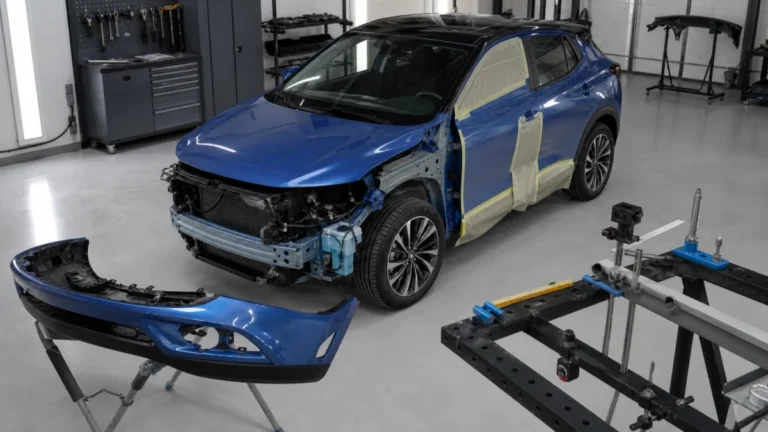
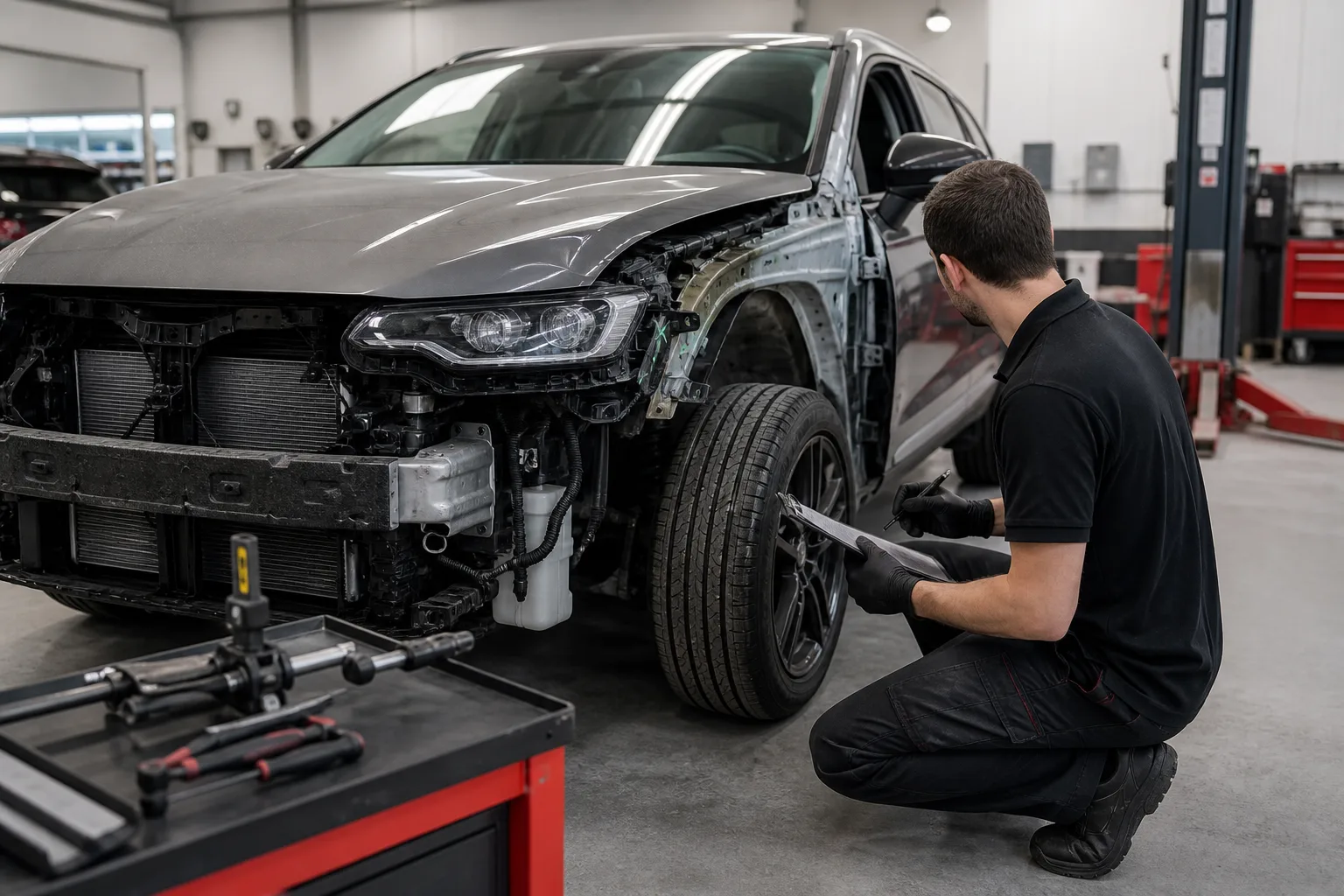
Hidden damage is common in collision repair. Bumper covers, lamps, trim, shields, and panels can hide broken brackets, absorber damage, reinforcement concerns, wiring issues, or shifted mounting points. A photo estimate may show a scratched bumper and miss damage behind it because the part has not been removed yet.
When additional damage is found, the repair information may need to be submitted as a supplement. The shop documents what was found, why it is related to the repair, and what operations or parts are needed. The insurer reviews the supplement according to the claim and policy. This process can add time, but it is often necessary for a complete repair plan.
Your Role as the Vehicle Owner
You remain the vehicle owner and the customer. Stay involved enough to understand the repair plan, the deductible, expected timing, and communication flow. Ask questions if something is unclear. Keep insurer messages, estimate documents, rental information, and repair updates in one place.
If you are choosing a repair shop, look for clear communication, a professional inspection process, and repair explanations that make sense. Avoid decisions based only on speed if the vehicle may have hidden damage. A fast estimate is helpful, but a thorough repair plan is what protects the final result.
Documents and Photos to Keep
- Claim number and adjuster contact information.
- Photos from the accident scene and vehicle damage.
- Initial insurance estimate and any updated estimates.
- Tow receipts, storage information, or rental documents if applicable.
- Notes about warning lights, noises, steering changes, or leaks.
- Repair authorizations and final invoice documents.
How Woodley Collision Helps With the Repair Side
Woodley Collision helps Van Nuys drivers by inspecting collision damage, preparing repair documentation, communicating repair needs, and explaining what we find. We handle collision repair, auto body paint, bumper repair, dent repair, scratch repair, glass replacement, frame straightening, and collision-related mechanical repair.
We do not make coverage promises, and we do not claim insurance partnerships that do not exist. Your insurer decides coverage according to your policy. Our job is to provide repair information and perform the authorized repair work properly.
Mid-Article CTA
If you have a claim number and need an insurance collision repair estimate in Van Nuys, call Woodley Collision at 747-745-5353 or start through our insurance repair page. You can also request an estimate online and upload photos to begin the conversation.
What Can Affect Repair Timing
Repair timing depends on more than the first estimate. Parts availability, hidden damage, supplement review, paint and refinish time, structural checks, calibration-related needs, and final quality control can all affect the schedule. A simple bumper scuff can move quickly. A vehicle with structural damage, wiring issues, or multiple panels may require more coordination.
If your vehicle is already in repair, use the repair status page or contact the shop for updates. Clear communication is especially important when insurance review or parts timing affects the schedule.
How to Keep the Claim Moving
Delays often happen when information is split between the driver, insurer, tow yard, and repair shop. Keep your claim number handy, answer insurer messages promptly, and tell the shop if the vehicle has been moved or if an adjuster has already inspected it. If you receive a new estimate or payment document, share it with the repair team so everyone is working from the latest information.
It also helps to be clear about your transportation needs. Rental coverage is a policy issue, so confirm details with your insurer early. From the repair side, the most useful thing is accurate contact information and quick approval when the repair plan is ready for your authorization.
Questions to Ask Before Work Begins
Ask whether the estimate is based on photos or an in-person inspection. Ask whether any teardown is needed to confirm hidden damage. Ask how supplements are handled if additional damage is found. Ask what parts are being repaired or replaced and what paint work is included. Ask how you will be updated during the repair.
You can also ask whether related damage should be inspected, such as cracked glass, wheel impact, panel gaps, or warning lights. Depending on the collision, the repair may include glass replacement, frame straightening, or mechanical repair review.
FAQs
Do I have to use the repair shop my insurance company suggests?
Rules can vary, and your policy may include specific procedures. In general, you should ask your insurer about your options and responsibilities. Choose a shop that communicates clearly and documents the repair properly.
What is a supplement in collision repair?
A supplement is a request or document for additional repair operations, parts, or costs discovered after the initial estimate. It is common when hidden damage becomes visible during teardown or closer inspection.
Can I get an estimate before I have a claim number?
Yes, you can request a repair estimate before opening a claim. If you later decide to use insurance, the claim information can be added to the repair process.
Who pays the deductible?
Your deductible is determined by your policy and claim. Ask your insurer how it applies. The repair shop does not set your deductible or decide whether it applies.
Final CTA
For insurance collision repair guidance in Van Nuys, contact Woodley Collision at 7243 Woodley Avenue, Van Nuys, CA 91406. We are open Monday to Friday, 9:00 AM to 7:00 PM (closed weekends). Consultations and estimates are available 24/7. Online estimate requests can be submitted anytime. Woodley Collision will follow up as soon as possible. Call 747-745-5353, visit our contact page, or begin with an online estimate.